Commentary: At life's end, do we want to spend our last days in the hospital?
SINGAPORE: To prepare our healthcare system to deal with palliative care, increasing infirmary or hospice beds or hiring more therapists or nurses are not the solutions.
The vast majority of us will face a life-threatening affliction at some stage in our lives. When we do, what will exist virtually of import to us are how we desire to be cared for during this illness and where we want to laissez passer our days.
The affliction may exist a relatively brusk one, like cancer, and curable if diagnosed early, but often nosotros might have to live with the disease for months, even years while undergoing cancer treatment. And each treatment session may exist less effective, with more than side effects than the ane before, until we end upward dying from the affliction.
We may face other life-limiting illnesses, like heart failure or kidney failure. Treatment will sustain the states for a while, again months or years. Merely at that place is no cure curt of getting a new organ and that has its own problems, such equally organ rejection and associated risks of infection.
Many of us volition end up with long-fatigued out illnesses that include dementia, stroke and diverse relapses. Nosotros will survive for many years but take to be content with disability.
Nosotros as a gild need to discuss these issues and programme for unlike options that might be preferred by unlike people.
There is no one size that fits all.
Give PEOPLE CHOICES
For some, institutional care in a nursing home may be preferred. So we need to have institutions where people can thrive, non merely subsist, where they can stay until they die and receive different levels of care co-ordinate to their needs and as their conditions progress.
Many people say they want to exist cared for and die in their ain homes. That depends on whether there is anyone at dwelling to care for the states and what kind of support we can get at domicile.
Expansion of hospice home intendance services will obviously aid. Skilled caregivers who are able to provide day-to-day care volition too help.
Singapore is currently blessed with foreign domestic helpers who are affordable to many. Merely this may not necessarily continue in the future. Will our local people want to take up this piece of work and even so, will the care remain affordable?
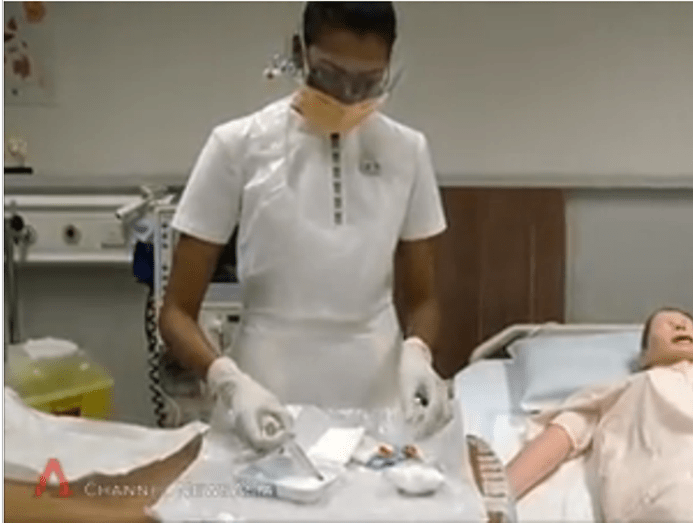
Most of the states would not want to spend our final days in hospital, unless the medical interventions available there will actually prolong our lives and give united states of america a life of reasonable quality. It is possible to spend a fortune on medical advances that may prolong life by a few weeks or months. This may exist the wish of some and they should get for information technology, if they can afford it.
Others may not recollect the expense worthwhile, or find the burden of treatment also great. They should too be allowed their choice to spend their time and resource on different things.
So palliative intendance services should be designed to provide people with choices, whether it is outpatient care, home care, in-patient hospice care or intendance in nursing homes.
We should not leave it to voluntary welfare organisations to find solutions. For those not in need of authorities subsidies, or those not eligible for them, private enterprises should accept upwardly the challenge.
Retirement communities that cater to the good for you elderly, who can then transition to a college level of intendance as one spouse becomes more dependent, or a person gets diagnosed with a life-limiting illness, is an thought. These may enable people to stay within their community and obtain needed medical and nursing input there, while enjoying familiar surroundings and the company of friends.
Dissimilar kinds of funding models tin can be experimented with, such equally contrary mortgages or pooled hazard.
CREATE SOLUTIONS OF OUR OWN
I think we demand to think out of the box. We also demand many heads to call back and come up upwards with new ideas. Different models of care and dissimilar kinds of services should be tried and tested out to meet whether people similar them, whether they can evangelize what people want and whether they are sustainable.

I believe the consumer, and eventually this will include all of us, needs to play a much more than active part in this discussion. I don't think we should be doomed to whatsoever services evolve, but instead, create solutions of our own.
People should exist encouraged to come up upwardly with new ideas. Funding should be made bachelor to attempt out the better ideas, to see if they work and whether they can exist scaled upward.
A raft of ideas volition provide options for different groups of people at dissimilar stages of their lives.
Yeah, we shall have to railroad train more therapists, more than people in the healthcare sector and the care industry. Just over-medicalisation of the situation is not desirable.
While people with life-threatening illnesses will need medical care, that is only one aspect of their care. They will also need a social life. They demand to meet their families, become out to eat, celebrate birthdays, or weddings, or anniversaries.
Some may demand emotional support. Others might have financial worries. Notwithstanding, others may take spiritual concerns or unfinished business.
Life is and then much more than than medical treatment.
And so I recall it is far too simplistic to retrieve only about calculation more hospital or hospice beds, which is what some people might have in mind. Understanding what people in different parts of our community want and trying out unlike ways of providing for choices is the way forward.
Associate Professor Cynthia Goh is a senior consultant at National Cancer Centre of Singapore'southward Division of Palliative Medicine.
This is the third commentary in Aqueduct NewsAsia's serial exploring primal issues and challenges facing patients with terminal disease and care at the end of life.
- Read the first commentary on what well-being means for someone with terminal affliction here.
- Read the second commentary on the challenges faced by our young who contract terminal illness, for whom growing old isn't an option hither.
Source: https://cnalifestyle.channelnewsasia.com/commentary/commentary-lifes-end-do-we-want-spend-our-last-days-hospital-298881

Post a Comment for "Commentary: At life's end, do we want to spend our last days in the hospital?"